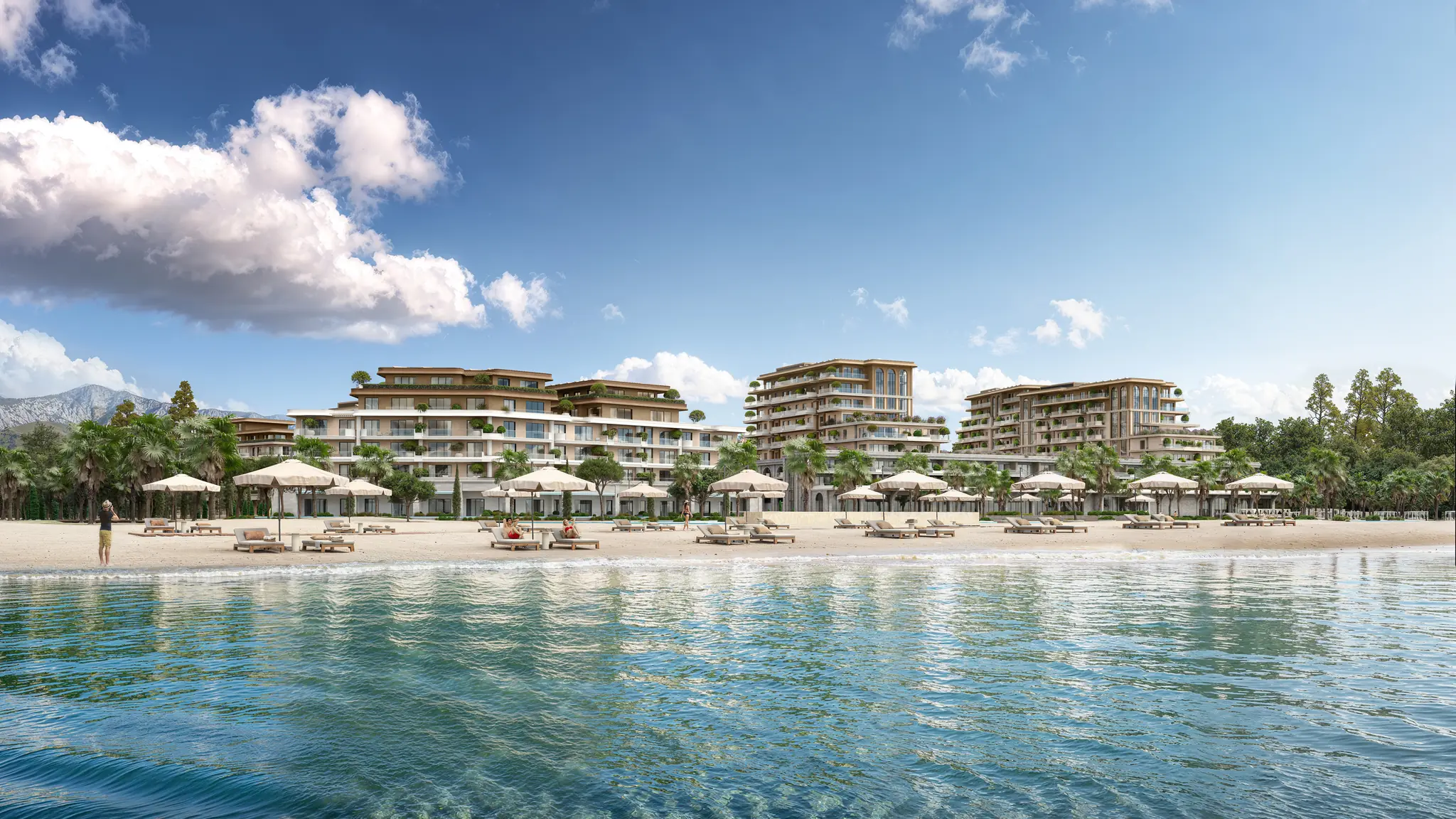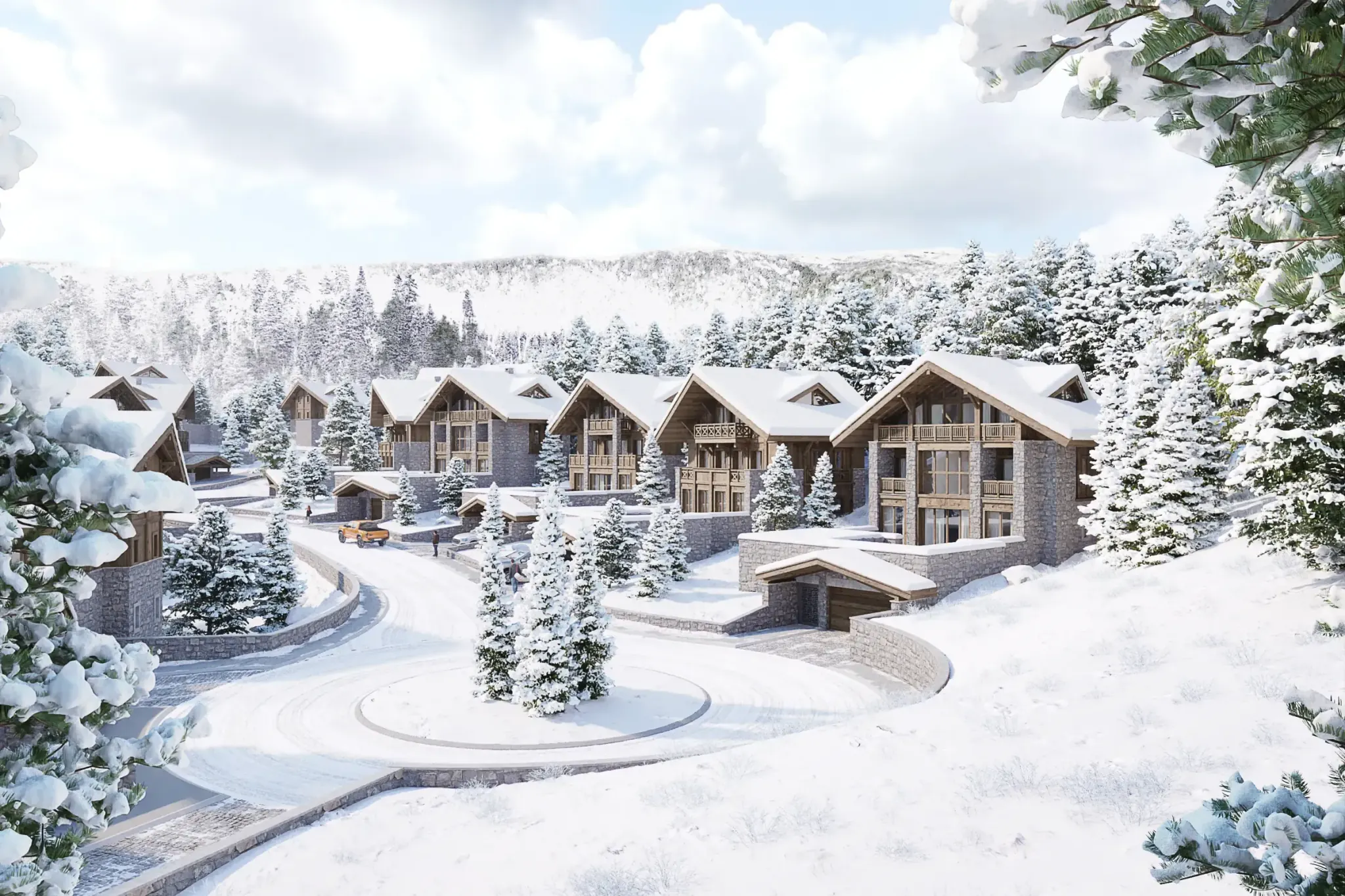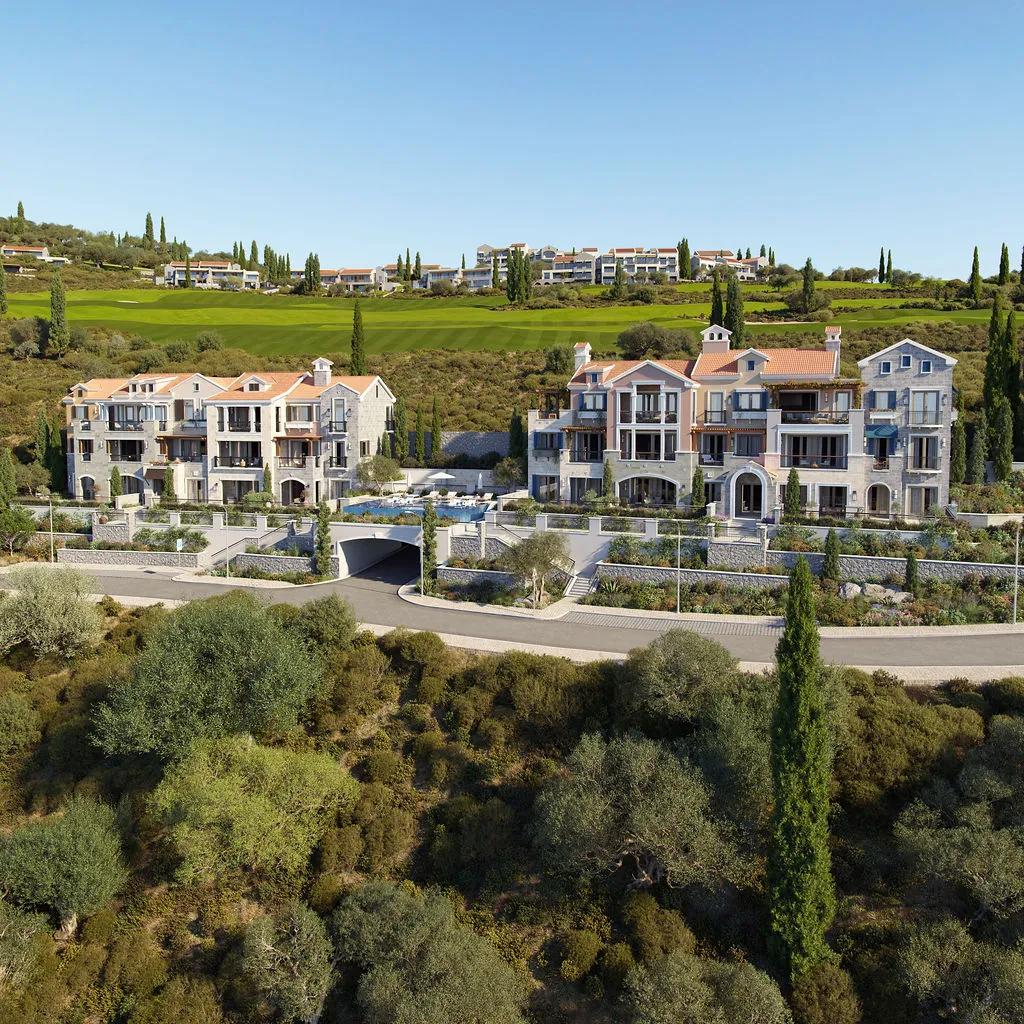
Buying off-plan in Montenegro means paying for a home before it is finished, under a notarised contract with the developer, and taking title once the building is complete and has its use permit. The sale carries VAT at 21%. Your main exposure is that your money is committed before the home exists. Escrow accounts and bank guarantees are not standard practice in Montenegro, so the contract, the payment schedule and the checks on the developer do the protecting.
How buying off-plan in Montenegro works
- Reservation. You reserve a unit, often against a reservation fee, and receive the draft contract and the payment plan.
- Contract. You sign a notarised contract with the developer. As the first transfer of a new building, it carries VAT, not transfer tax.
- Stage payments. You pay according to the schedule in the contract.
- Completion and use permit. The authority that issued the building permit issues the use permit after a technical inspection. Until then the building may not be used.
- Registration. Within seven days of receiving the use permit, the developer must apply to register the building in the cadastre. Each unit is recorded either for the developer or directly for a buyer whose contract traces the right from the developer.
- Handover. You inspect the unit, take the keys and file a property tax return with the municipality within 30 days of acquiring it.
Off-plan payment plans
Each developer sets its own payment plan, built from some or all of a reservation fee, a payment on signing, stage payments during construction and a final payment on completion. The more you pay before the building is finished, the more of your money is exposed. Prefer plans that tie payments to stages you can verify, such as completion of the structure or the issue of the use permit, over plans tied to calendar dates. Model any plan with the off-plan payment planner.
How your money is protected, and how it is not
Escrow arrangements, bank guarantees and security deposits are not standard practice in Montenegrin purchases, though they can be negotiated. Do not assume your deposit sits in a protected account. What protects you instead:
- The contract. A completion date, a penalty for delay, your right to withdraw and be repaid, the specification and plans as annexes, and what happens if a permit is refused.
- Staged payments tied to progress your lawyer or surveyor can verify.
- The title sheet. The cadastre records a building under construction as a note in the G sheet, with the investor, the building permit and the deadline for completing the works. It also records mortgages, including a mortgage on a building under construction.
- A note of your contract. The cadastre law provides for notes of a notarial deed and of priority for a future entry. Ask your lawyer whether your contract can be noted against the plot.
- A bank guarantee, where the developer will provide one.
Checks on the developer and permits before you reserve
- Land. The plot should be registered to the developer, or the developer should hold another right to build on it. The G sheet shows any mortgage, dispute or ban on sale.
- Building permit. The municipality issues most permits; the Ministry issues them for buildings of 3,000 m² or more and for four and five-star hotels, tourist settlements and resorts. The issuing authority must publish each permit on its website within seven days of issue, and a permit lapses if construction does not start within two years.
- Planning. The permit should match the planning conditions for the plot: its use, height and floor area.
- The developer. Completed buildings you can visit, how earlier handovers went, and who builds and supervises the works. The law requires the designer of the main design to carry liability insurance.
- Notes against the plot. Look for notes of a building started or built without a building permit, or of one that deviates from its permit. See illegal construction and legalisation.
Off-plan risks, and what limits them
| Risk | What limits it |
|---|---|
| Late completion | A completion date and a delay penalty in the contract |
| The developer cannot finish | Staged payments, a bank guarantee, a developer with completed projects |
| A mortgage over the project | Check the G sheet and agree how the lender releases your unit |
| No use permit | Keep the final payment until the use permit is issued |
| Changes to the specification | The plans and specification attached to the contract |
| Rental projections | Treat a developer's projection as a projection, and ask who backs it and for how long |
The home and its plan
Your currency
Your view of value
Paid before handover
EUR 975,601
70% of the price, before the keys. The balance of EUR 418,115 falls due at handover, in month 2.
- When you sign the contract: Down payment20% of the price
- EUR 278,743
- In instalments during construction: Construction instalments50% of the price
- EUR 696,858
- After handover, in interest-free instalments: After handover30% of the price
- EUR 418,115
- Total
- EUR 1,393,716
Value at handover, your assumption
EUR 1,393,716
At zero change, the price you agreed.
Against the price
EUR 0
On paper only, before the costs of buying and selling.
In short
You commit EUR 1,393,716 across 3 payments: 70% before handover and 30% at it.
The schedule is the one published for Heights Residences, Luštica Bay, completion Q4 2027. The reservation agreement governs; check it before you pay. Converted at the reference rates of 13 November 2026 (European Central Bank reference rates via frankfurter.dev); your bank’s rate and margin will differ. The currency and value figures are your assumptions, not forecasts: we do not predict prices or exchange rates. Every payment is in euros, Montenegro’s only legal tender, and Montenegro has been part of the Single Euro Payments Area since October 2025, which makes transfers in euros from Europe simpler. See sending money to Montenegro.
Sources for these figures
Talk it through
An adviser can confirm the current schedule and price list, and set the payment dates against your transfers.
Send me this payment plan
Your schedule by email, payment by payment, with an adviser to check it against the developer's current terms.
Email me the plan
Tax on an off-plan purchase: 21% VAT
The developer's first sale of a new unit carries VAT at 21%, and there is no transfer tax on it. Payments made before 1 April 2026 are not affected by the new rule that brought building land into VAT. Where transfer tax does apply to a home bought before it is built, it falls due at handover, when you take possession. See VAT or transfer tax on new builds.
Handover, snagging and title
At handover, inspect the unit against the contract and list the defects in writing: see snagging. You must notify a hidden defect within eight days of discovering it, and the seller's liability typically lasts six months after handover unless the contract extends it, so negotiate a longer defects period before you sign.
For a year from the sale of the first unit, the developer carries the building's maintenance costs and must set up its management. After that, owners pay the service charge: see running costs.
Your purchase is complete when your name appears on the title sheet. Ask for a fresh title sheet after registration and confirm that no developer's mortgage still burdens your unit. See title deeds and due diligence.
Is buying off-plan right for you?
Off-plan suits a buyer who wants a new home at today's price and can wait for completion. It suits less well a buyer who needs to move in, or to earn rent, by a fixed date. Our developments pages give completion dates and payment plans where the developer publishes them, and our off-plan entry explains the terms.