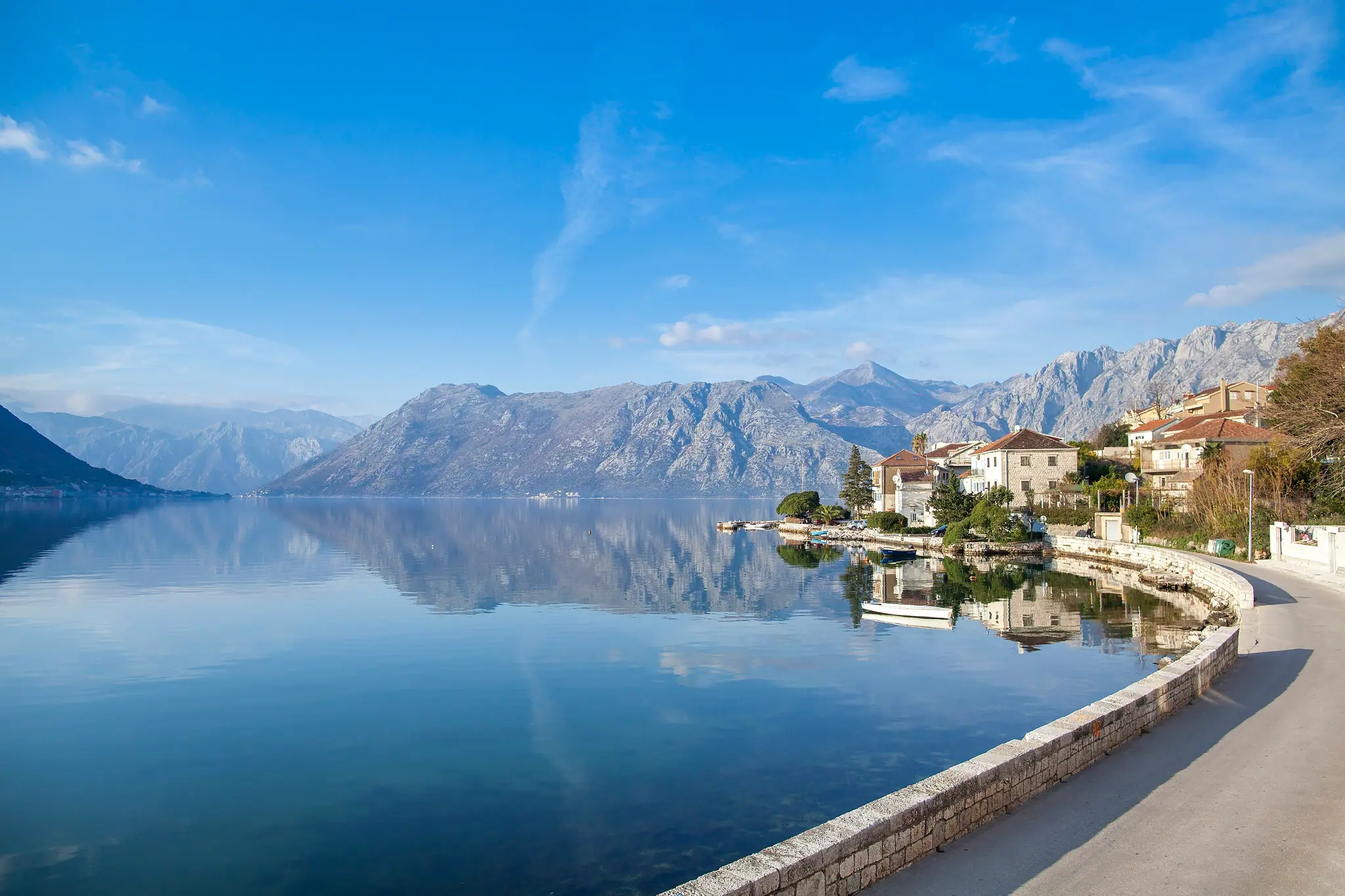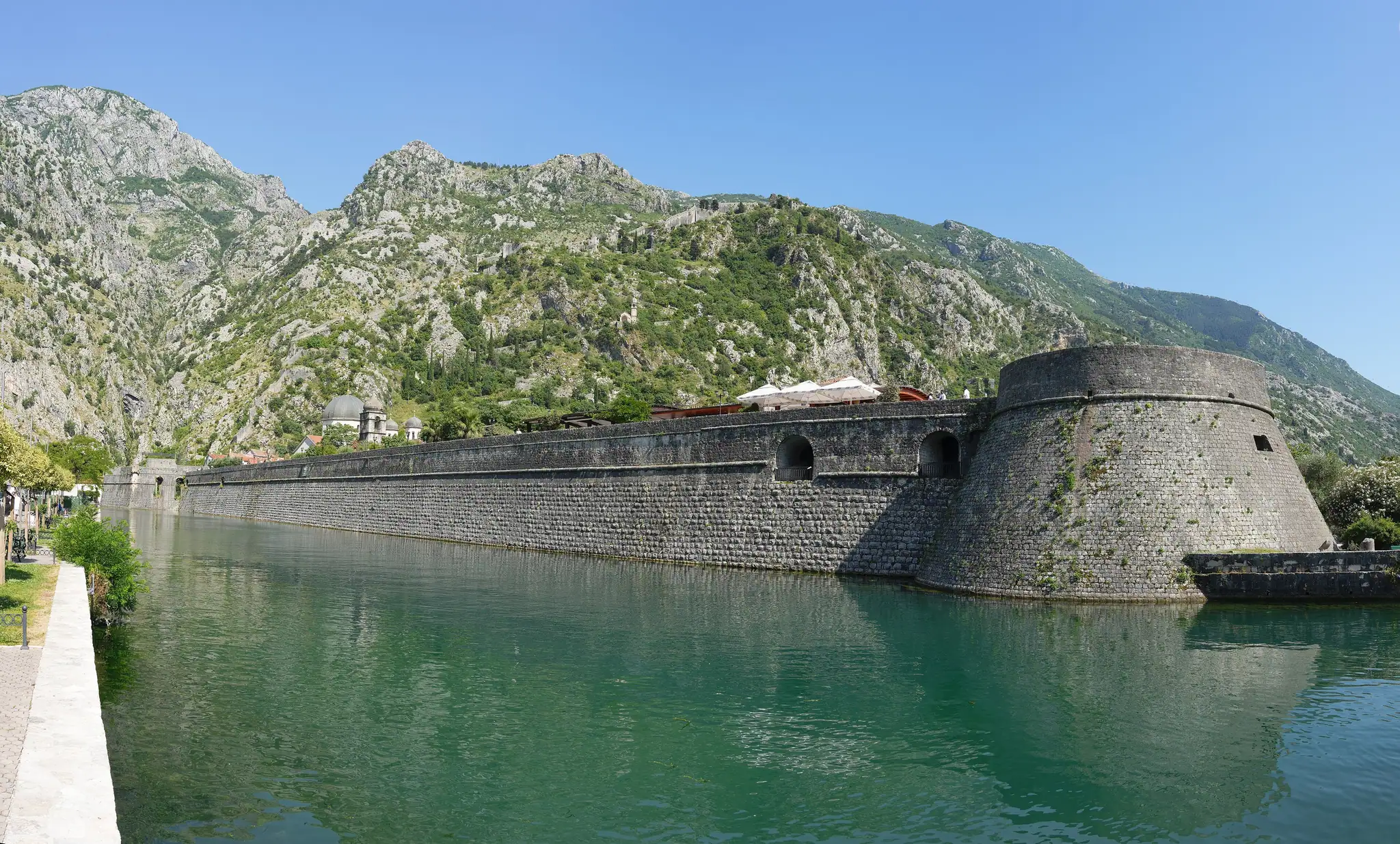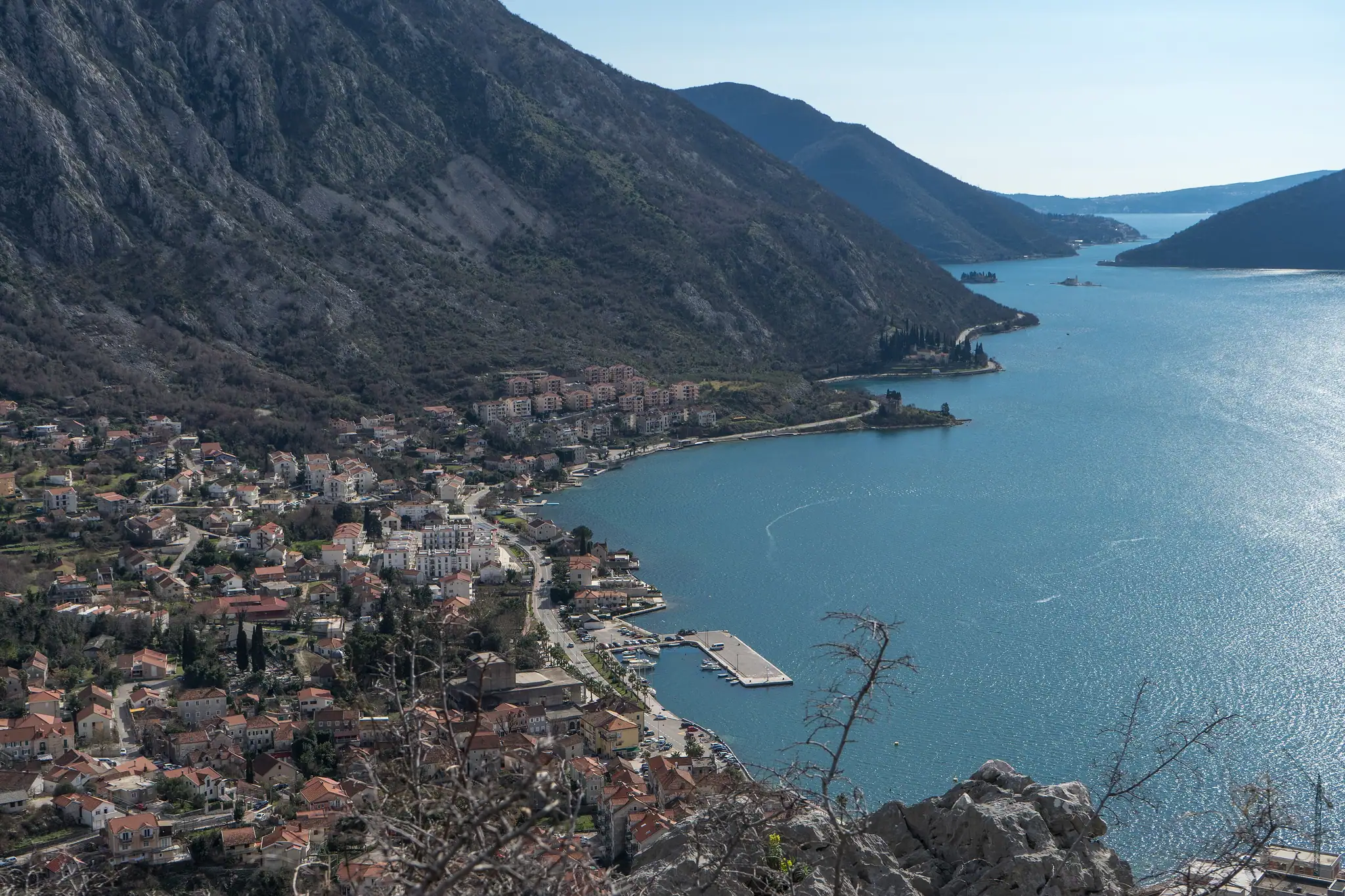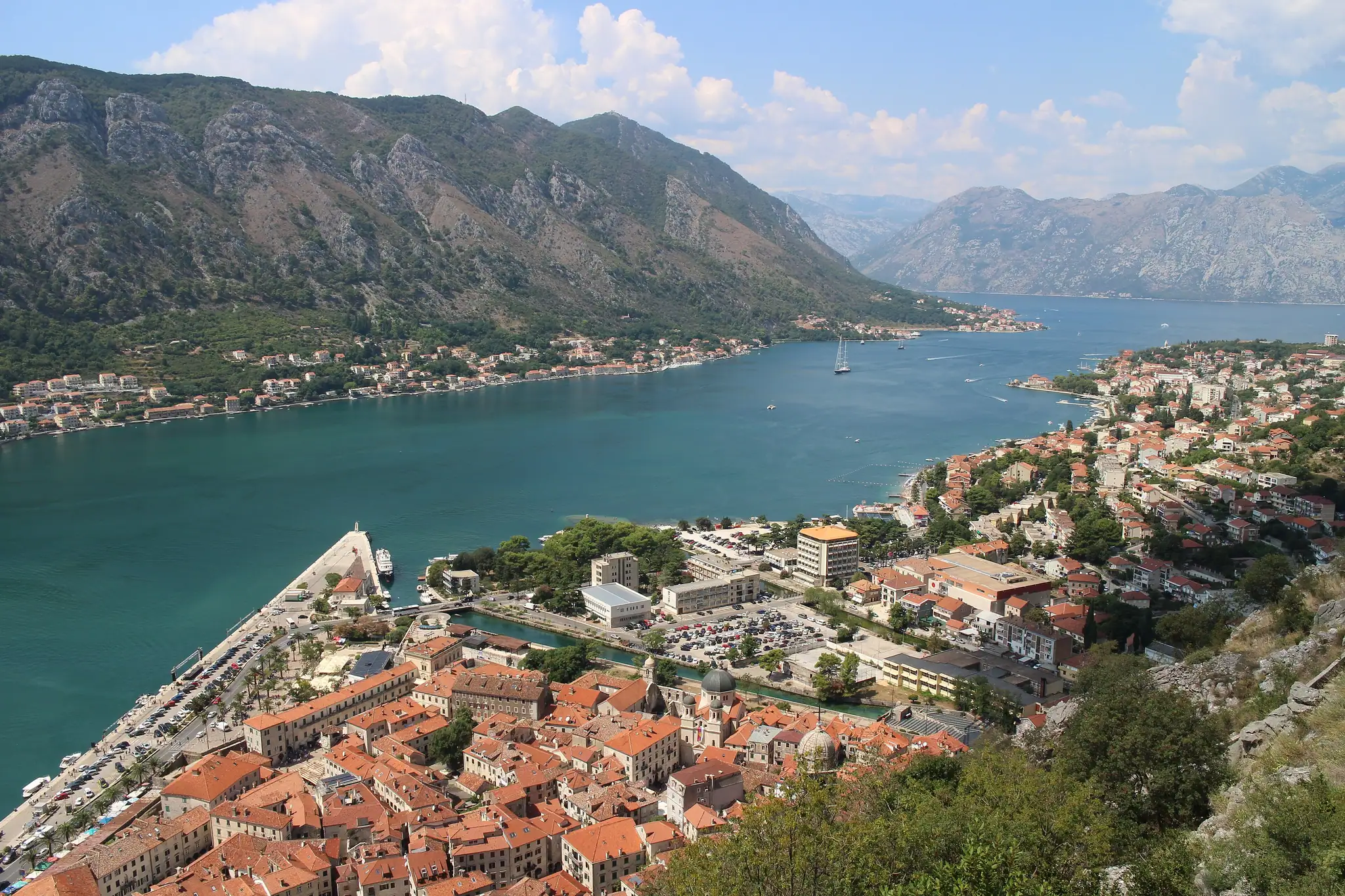
Kotor is the place to buy if you want stone, history and the water in one view. The walled town at the head of the Bay of Kotor has been under UNESCO protection since 1979, and its walls climb about 4.5 km up the mountain behind it to the Fortress of St John. Apartments mostly ask EUR 2,700 to 3,900 per sqm, below Tivat and close to Budva. Tivat Airport is 8 km away.
Living in Kotor, inside the walls and along the shore
Kotor municipality had 22,746 residents at the 2023 census, but only about 1,360 live inside the old town. Most people live along the shore in Dobrota and Škaljari, or in the villages around the inner bay. Inside the walls you get the Cathedral of St Tryphon, built in 1166, small squares of cafes and restaurants, and stone streets you walk rather than drive.
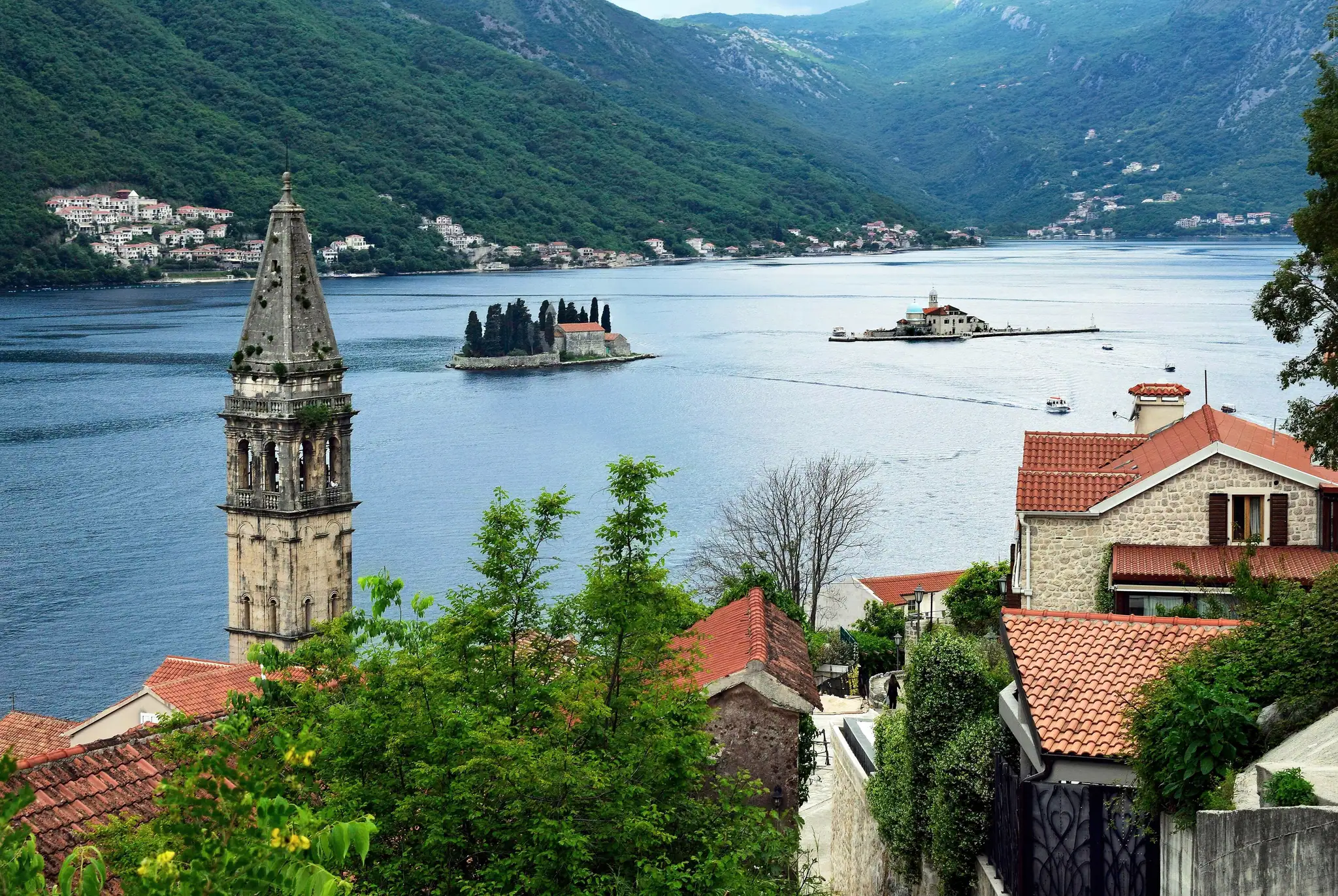
The Bay of Kotor has 105.7 km of shoreline in all, and Kotor sits at its innermost point. Perast, with the islet church of Our Lady of the Rocks offshore, lies towards the north-west end. Since 2024 a cable car has run from the edge of town to Lovćen National Park, an 11-minute ride. It closes for the winter and reopens in spring 2027.
Kotor General Hospital is in Škaljari, just south of the old town. The nearest international school, KSI Montenegro in Tivat, is about 15 minutes away. See healthcare and international schools.
Kotor's old town and bay villages
- Kotor Old Town: apartments in stone buildings inside the walls, for buyers who want to walk everywhere.
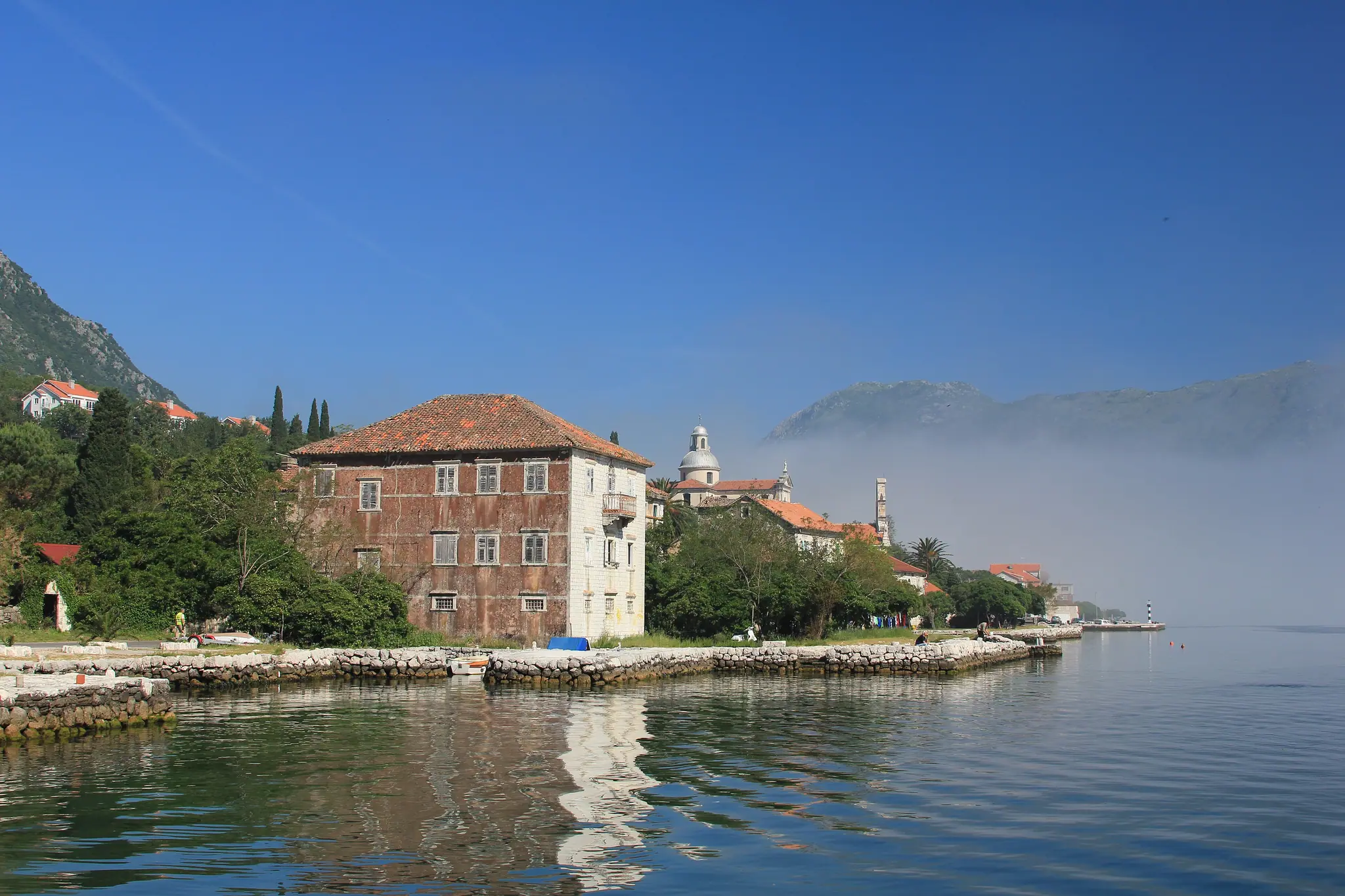
- Dobrota: the long shore north of the old town, with houses and apartments on the water and 7,345 residents in its urban area.
- Prčanj: a quieter village on the opposite shore of the inner bay.
- Perast: a small historic town facing Our Lady of the Rocks.
- Risan: the town at the north-western end of the bay, on the road inland to Nikšić.
What matters to you
Narrow it down
Find your part of Montenegro
Choose what matters, and your shortlist appears here.
Mark at least one thing as nice to have or essential. We rank 28 areas across 9 regions against it and show the closest three.
What you will see
- Each area scored from 0 to 5 on ten things, from beaches to value
- Entry prices per square metre for each area
- Drive time to the nearest airport
Property prices in Kotor per square metre
Expect three kinds of home: apartments in old stone buildings, houses and villas along the shore, and newer apartment buildings in Dobrota and Škaljari. Most apartments ask EUR 2,700 to 3,900 per sqm, the middle half of listings in November 2026. The average asking price was about EUR 3,600 per sqm in the first quarter of 2026, 11.8% higher than a year earlier. For comparison, new flats across the coast sold for an average of EUR 2,838 per sqm in the second quarter of 2026, measured on signed contracts.
Supply is now fixed in the protected area. Since March 2026 no permits for new buildings are issued there, and legalisation of buildings put up without permits is halted across the municipality, until a management plan and a protection study are adopted with UNESCO's consent. Reconstruction within a building's existing dimensions, and repair and restoration of cultural monuments, are still allowed. In July 2026 UNESCO's World Heritage Committee asked Montenegro to keep the freeze. For you this means two things: buy only a building with a valid building permit and use permit, and do not pay for a plot on the promise of a new house.
Costs on top of the price are in property taxes and buying costs, and illegal construction and legalisation explains the checks.
Who buys in Kotor: heritage, life on foot and the water
Kotor suits buyers who want a historic town, daily life on foot and cultural rather than beach holidays. The bay villages suit those who want a house on the water and calm evenings, with the old town a short drive away. Families who need the IB school in Tivat can live in Kotor and drive the 15 minutes.
The town is also a second-home market. At the 2023 census, 32% of Kotor's 16,898 homes were used seasonally.
Holiday rental demand and the season in Kotor
Private holiday lets in Kotor recorded 163,728 guest arrivals and 1,034,477 nights in 2025. Stays are short, about six nights per arrival, so expect more changeovers than in Budva or Tivat. Kotor is also a cruise port: foreign cruise ships brought 630,236 passengers to Montenegro on 496 calls in 2025, and the old town is at its busiest on ship days.
Run your numbers in the rental yield calculator and read short-term rental rules before you plan around summer income.
Getting to Kotor from Tivat and Podgorica airports
Tivat Airport is 8 km from Kotor, 12 to 20 minutes by car depending on traffic. The Vrmac tunnel links Kotor to the main coast road, and Budva is about 30 minutes away. Herceg Novi is about 50 minutes around the bay. Podgorica Airport is about 65 km away. See flights and getting around.
Before you buy in Kotor: the building freeze and the crowds
The building freeze is the first point. It protects what you buy from new building next door, but it also means no new house, no extension and no legalisation until the new documents are adopted. Have a lawyer confirm the permits and the heritage status of any building before you sign.
Crowds are the second. The old town is busy when cruise ships are in, and the villages away from the pier are calmer. Compare Kotor with Tivat, Budva and Herceg Novi before you choose.