
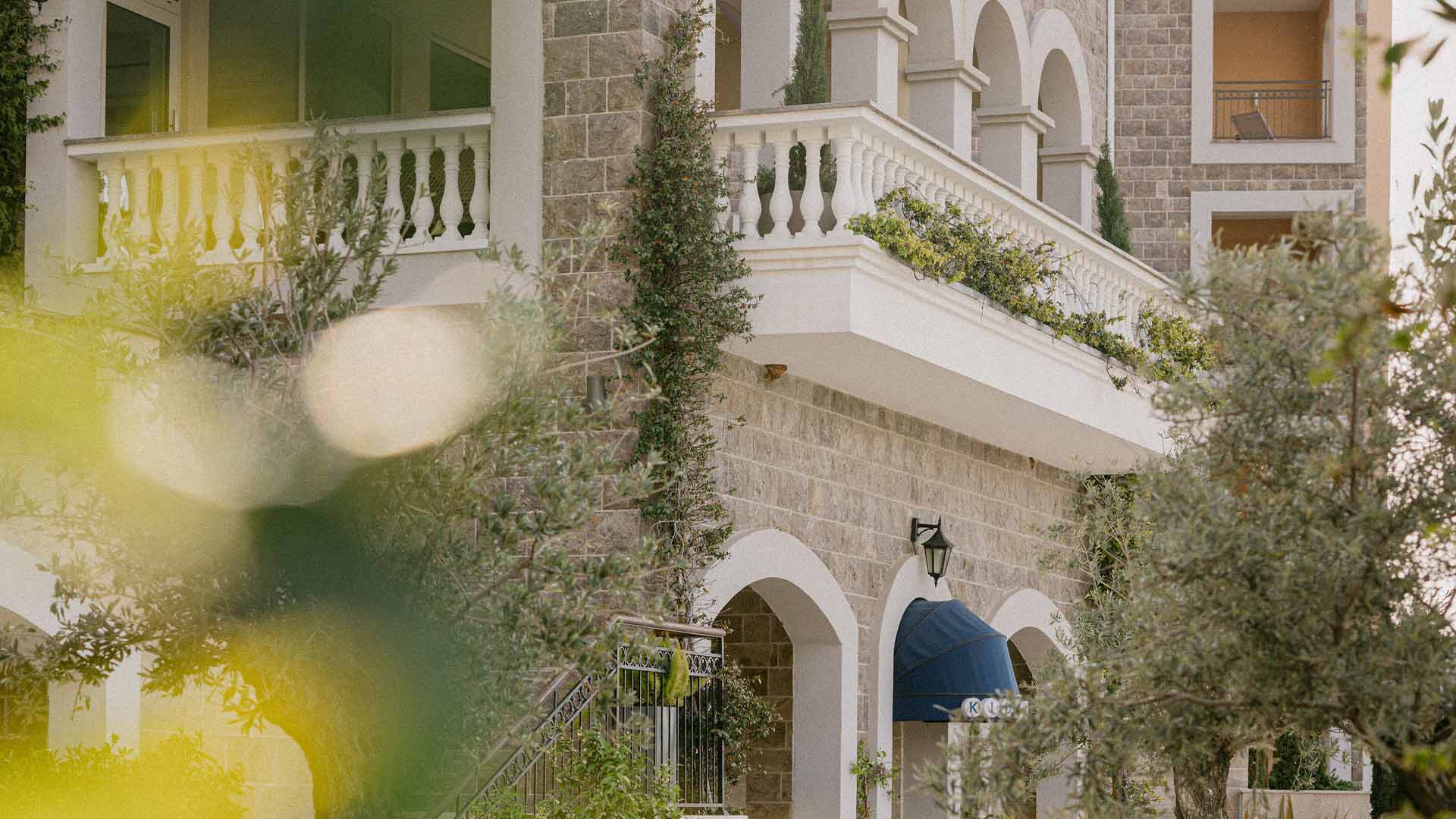
Living in
Montenegro
Beyond the glossy brochures. An honest guide to what daily life actually looks like on the Adriatic, from someone who wants you to make the right decision, not just any decision.
The Montenegro Reality
A small country that punches above its weight
Montenegro is roughly the size of Connecticut with fewer people than San Francisco. Yet within its borders you'll find UNESCO-protected medieval towns, one of Europe's deepest canyons, and a coastline that rivals the French Riviera at a fraction of the price. This compression of geography means you can swim in the Adriatic at breakfast and hike alpine meadows by lunch.
But here's what the tourism boards won't tell you: Montenegro is a country in transition. It's not the polished expat destination of Portugal or the established infrastructure of Croatia. Roads can be narrow and winding. Bureaucracy moves at its own pace. English is common but not universal. What you gain is authenticity, affordability, and the feeling of discovering somewhere before the crowds arrive.
Montenegro rewards those who embrace its imperfections. The slow coffee, the delayed meeting, the unexpected festa in the square, these aren't bugs, they're features of a life less scheduled.
620K
Population
293
Sunny days/year
117
Beaches
EUR
Currency
The Adriatic Rhythm
Four seasons, four different countries
Montenegro transforms dramatically with the seasons. The sun-drenched July coast and the quiet January bay feel like entirely different places. Understanding this rhythm is crucial, many expats fall in love during summer and struggle through their first winter unprepared.
Summer
June - August
Peak season. The coast comes alive with beach clubs, yacht traffic, and international visitors. Expect crowds in Budva and Kotor, but also the best weather and longest days. This is when Montenegro earns its comparison to the French Riviera.
- Beach season in full swing
- Open-air concerts and festivals
- Restaurant terraces until midnight
- Best swimming conditions
Autumn
September - November
The secret season. Crowds thin but weather remains excellent through October. Sea temperature stays warm enough for swimming until mid-October. Wine harvest in the interior. Many residents consider this the best time to be here.
- Perfect hiking weather
- Wine and olive harvest festivals
- Shoulder season pricing
- Still warm enough to swim (Sept-Oct)
Winter
December - February
The honest test. Many businesses close or reduce hours. Rain is frequent on the coast; snow in the mountains. But sunny days still happen, and you'll have Kotor's old town practically to yourself. This is when you discover if Montenegro is truly for you.
- Skiing at Kolasin (2hrs from coast)
- Uncrowded historic sites
- Lower rental prices
- Authentic local atmosphere
Spring
March - May
Awakening. Wildflowers carpet the hillsides. Restaurants reopen, boats return to the water, and there's an optimistic energy as summer approaches. April and May offer excellent conditions before peak pricing kicks in.
- Wildflower hiking season
- Easter celebrations
- Pre-season property deals
- Comfortable temperatures
A day in Montenegro
Montenegrin daily life follows Mediterranean patterns. The concept of fjaka, a pleasant lethargy induced by heat and contentment, is real here. Embrace it or fight it, but understand that efficiency is not the local currency; quality of life is.
Five Ways of Living
Find the Montenegro that fits you
There is no single Montenegro lifestyle. The marina dweller in Porto Montenegro lives a different life than the old-town romantic in Kotor or the mountain seeker in Zabljak. Here are the five distinct ways people build their lives here.
The Marina Life
Nautical luxury with international polish
Porto Montenegro and Lustica Bay represent Montenegro's premium tier. Think superyacht neighbours, branded residences, and amenities that rival Monaco, but at 20% of the price. Life revolves around the waterfront: morning paddles, yacht club lunches, sunset cocktails. The community is international, English-speaking, and well-heeled. This is Montenegro's most turnkey expat experience.
Best for
Key locations
Entry point
From EUR 250,000 (apartment) to EUR 2M+ (villa)
The Old Town Romantic
Stone walls, history, and character
Living inside Kotor's UNESCO walls or Herceg Novi's old town means trading space for soul. Your morning coffee comes from a 400-year-old square. Your evening walks follow ramparts built against Ottoman invasions. Properties are limited, often quirky, and increasingly valuable. This lifestyle suits those who prioritise atmosphere over amenities and don't mind steep stairs.
Best for
Key locations
Entry point
From EUR 150,000 (small apartment) to EUR 500,000+ (renovated stone house)
The Modern Coastal
New builds, sea views, everyday convenience
Most expats end up here: purpose-built apartments in Tivat, Kotor suburbs, or Budva's newer districts. You get reliable infrastructure, parking, sea views, and proximity to supermarkets and schools. It's not as romantic as old stone, but it's practical. These areas have the most rental demand if you're thinking investment.
Best for
Key locations
Entry point
From EUR 120,000 (1-bed) to EUR 400,000+ (premium sea-view)
The Mountain Escape
Alpine serenity, winter sports, nature immersion
Montenegro's interior is where locals go to escape the summer heat and where skiers congregate in winter. Zabljak offers access to Durmitor National Park; Kolasin provides Montenegro's best skiing. Property prices are significantly lower, but infrastructure is basic and winters are serious. This suits those who genuinely want to disconnect.
Best for
Key locations
Entry point
From EUR 50,000 (house) to EUR 150,000 (quality chalet)
The Village Authentic
Stone houses, olive groves, the old way
Scattered along the coast and into the hills are villages where life hasn't changed much in decades. Stone houses with sea glimpses, neighbours who bring you homemade wine, and a pace that makes the coast feel frantic. Properties need work, amenities require driving, and you'll need basic Montenegrin. But for some, this is the real thing.
Best for
Key locations
Entry point
From EUR 40,000 (ruin) to EUR 200,000 (renovated with land)
Three Distinct Regions
Same country, different worlds
Montenegro's 293km coastline contains remarkably diverse microclimates and characters. The fjord-like Bay of Kotor feels almost Scandinavian; the Budva Riviera channels St. Tropez; the southern coast toward Bar offers undiscovered authenticity. Each attracts different buyers.
Bay of Kotor
The dramatic fjord
Europe's southernmost fjord cuts 28km inland, creating a microclimate where mountains plunge directly into the sea. This is Montenegro's most dramatic scenery and its historical heart. Kotor and Perast draw the cultural tourists; Tivat and Porto Montenegro draw the yachts; Herceg Novi offers established town life with a local feel.
Key towns
Strengths
- Stunning natural beauty year-round
- UNESCO World Heritage protection
- Best marina infrastructure
- Strong rental demand
- Most developed expat community
Considerations
- •Summer cruise ship crowds in Kotor
- •Limited flat land means steep terrain
- •Premium pricing compared to other regions
- •Can feel enclosed in winter
Ideal for: Those prioritising beauty, infrastructure, and established expat networks
Budva Riviera
The party coast
Montenegro's tourist engine. Budva's old town is charming but the surrounding development is... extensive. In summer, this is where Montenegro parties. Neighbouring Becici and Sveti Stefan offer more refinement. The area has the best beaches, most restaurants, and strongest summer rental yields, but also the most seasonal character.
Key towns
Strengths
- Best sandy beaches in Montenegro
- Highest summer rental yields
- Most restaurants and nightlife
- Good road connections
- Wide property choice
Considerations
- •Very crowded July-August
- •Seasonal business closures
- •Over-development in places
- •Less authentic atmosphere
Ideal for: Investment buyers targeting summer rentals, beach lovers, nightlife seekers
Southern Coast
The undiscovered frontier
South of Budva, development thins and prices drop. Bar is Montenegro's main port with ferry links to Italy. Ulcinj, near the Albanian border, has a distinct Ottoman character and Montenegro's best kitesurfing. This region offers the best value but requires more self-sufficiency and comfort with less English.
Key towns
Strengths
- Significantly lower property prices
- Less tourist development
- Authentic local atmosphere
- Ferry connection to Bari, Italy
- Longest beach (Velika Plaza, 13km)
Considerations
- •Less developed infrastructure
- •Smaller expat community
- •Less English spoken
- •Further from Tivat airport
Ideal for: Budget buyers, those seeking authenticity, investors betting on future development
The Honest Truth
What the brochures don't mention
We want you to make the right decision, not just any decision. Here's the unvarnished truth about living in Montenegro, including the things that frustrate even those of us who love it here.
The Winter Question
Montenegro has great weather year-round
The coast gets significant rain November-March. Many restaurants and businesses close or reduce hours. The expat community shrinks considerably. Some people love the quiet; others find it isolating.
Our advice: Visit in January before you buy. If winter Montenegro feels too quiet, consider it a second home rather than full-time residence.
The Bureaucracy Reality
It's easy to set up as an expat
Opening a bank account can take weeks. Residency paperwork requires patience. Utilities often need in-person setup. Nothing happens quickly, and requirements can change without notice.
Our advice: Budget extra time for admin tasks. Find a good local fixer or lawyer before you arrive. Patience is your most valuable skill.
The Healthcare Situation
European-standard healthcare is available
Basic care is fine, but specialist treatment often means traveling to Belgrade, Podgorica, or abroad. Private insurance covering evacuation is essential. Pharmacies are good; hospitals are basic.
Our advice: Get comprehensive international health insurance. For serious procedures, plan to travel. Don't move here if you have complex ongoing medical needs.
The Language Barrier
Everyone speaks English
In tourism areas and among younger people, yes. But at government offices, with tradesmen, and in daily transactions outside the main centres, Montenegrin/Serbian is often necessary.
Our advice: Learn basic phrases at minimum. For anything involving paperwork, have a translator. Consider language lessons as an investment in your integration.
The Infrastructure Gaps
Montenegro is fully developed
Roads can be narrow and winding. Power outages happen, especially in storms. Internet is good in towns but patchy in villages. Waste management and recycling are works in progress.
Our advice: Have backup power for work-critical equipment. Check specific infrastructure at any property you're considering. Mountain areas especially need due diligence.
The Rental Market
Strong year-round rental income
Summer yields can be excellent (6-10% gross), but winter occupancy drops dramatically outside Porto Montenegro. Long-term rentals have lower yields but more stability.
Our advice: Run realistic numbers assuming 4-5 months of strong bookings. Don't buy based on peak-season projections alone.
Common challenges and solutions
Finding reliable tradespeople
Ask other expats for recommendations; expect to try several before finding good ones
Banking frustrations
Consider Wise or Revolut for international transfers; local banks for in-country needs
Driving standards
Defensive driving is essential; avoid narrow coast roads during peak season
Seasonal business closures
Stock up on essentials; identify year-round restaurants and services
Property title issues
Always use a lawyer; title verification is non-negotiable before purchase
Noise during season
Consider upper floors or set-back properties; visit in August before buying
Cost of Living Decoded
Real numbers, not vague comparisons
Montenegro is cheaper than Western Europe but more expensive than you might expect for the Balkans. The Euro currency means no exchange rate surprises, but it also means prices have risen steadily since adoption. Here's what your budget actually looks like.
Modest
EUR 1,200-1,500
per month (excl. rent)
Comfortable but careful. Local restaurants, seasonal produce, limited travel. Works well for retirees or those with modest remote income.
- Local market groceries
- Dining out 2-3x weekly at local spots
- Basic utilities and internet
- Local transport or small car
- Minimal entertainment budget
Comfortable
EUR 2,000-3,000
per month (excl. rent)
The expat sweet spot. Mix of local and international dining, regular activities, occasional travel within region.
- Groceries including imported items
- Dining out regularly, mix of venues
- Gym membership or activities
- Car running costs
- Weekend trips and entertainment
- Private health insurance
Premium
EUR 4,000+
per month (excl. rent)
International lifestyle. Fine dining, marina memberships, premium services. Porto Montenegro living or equivalent.
- Premium groceries and wine
- Fine dining multiple times weekly
- Yacht club or marina membership
- Premium car or boat costs
- Regular international travel
- Household help, premium insurance
Everyday costs
Housing costs
Context: How Montenegro compares
Overall, expect costs around 40-50% lower than UK, France, or Germany. Similar to Portugal or southern Spain, but with lower property prices. More expensive than Serbia, Albania, or North Macedonia. The Euro means stable pricing but no currency arbitrage.
Remote Work & Digital Life
Working from the Adriatic
Montenegro has quietly become a digital nomad destination. The combination of Euro currency, good internet in coastal areas, European timezone, and affordable living attracts remote workers from across the continent. The community is still small enough to feel personal, not yet overwhelming like Lisbon or Bali.
But it's not perfect. Coworking infrastructure is limited. Power outages happen. And the relaxed pace that makes life pleasant can frustrate those with aggressive deadlines. This works best for autonomous workers who can structure their own time.
Connectivity reality
Fibre availability
Most coastal towns
Check specific address
Typical speeds
100-500 Mbps
Where fibre available
Mobile 4G
Good coverage
Three main providers
5G rollout
Limited
Podgorica, some coast
Where to work
Dedicated coworking spaces are limited, but the cafe culture provides alternatives. Many remote workers rotate between cafes with good wifi, hotel lobbies, and home offices.
Porto Montenegro has the most professional workspace options
Podgorica has a few dedicated coworking spaces
Most hotels welcome daytime laptop workers for the price of coffee
Many cafes have reliable wifi and don't rush you
Rent an apartment with a dedicated workspace for best productivity
Residency Pathways
Making it official
Montenegro offers several routes to legal residency. The process is manageable but requires patience with bureaucracy. Rules can change, so verify current requirements before committing. Property ownership alone does not automatically grant residency, but it does support your application.
Temporary Residence
Most common route. Requires proof of accommodation, health insurance, and sufficient funds. Processing takes 30-60 days.
Permanent Residence
After 5 years of legal temporary residence, you can apply for permanent status. Requires language test and integration criteria.
Digital Nomad Visa
Relatively new programme. Allows legal stay while working remotely for non-Montenegrin employers. Growing in popularity.
Company Formation
Popular for freelancers. Low costs to establish, but requires ongoing compliance and accounting.
Need detailed residency guidance?
Our comprehensive visa and residency guide covers requirements, timelines, costs, and practical steps for each pathway.
Finding Your Home
Properties that match your lifestyle
Every lifestyle we've described has corresponding property types and locations. Here are featured developments from our portfolio, curated for different ways of living in Montenegro.
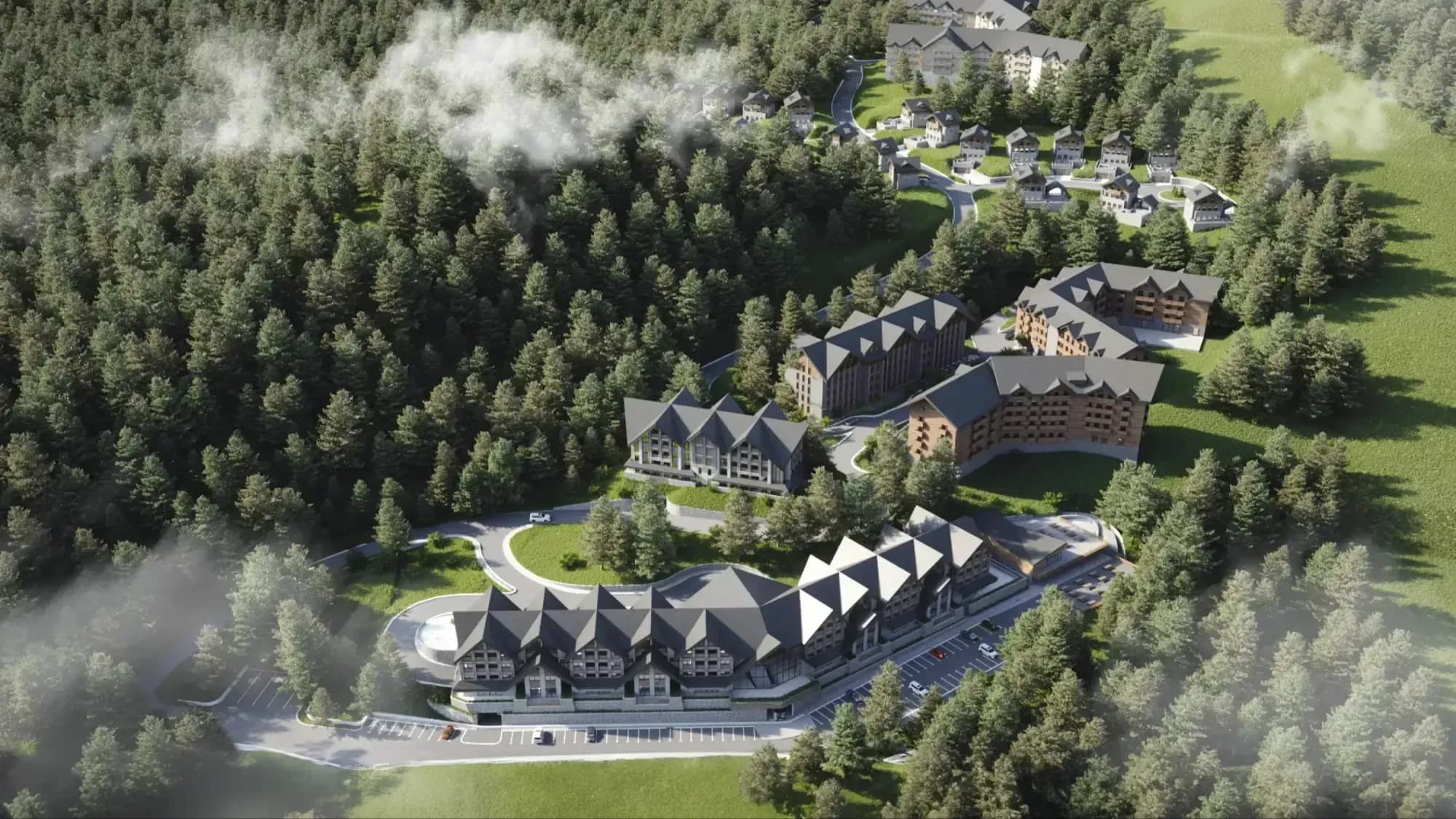


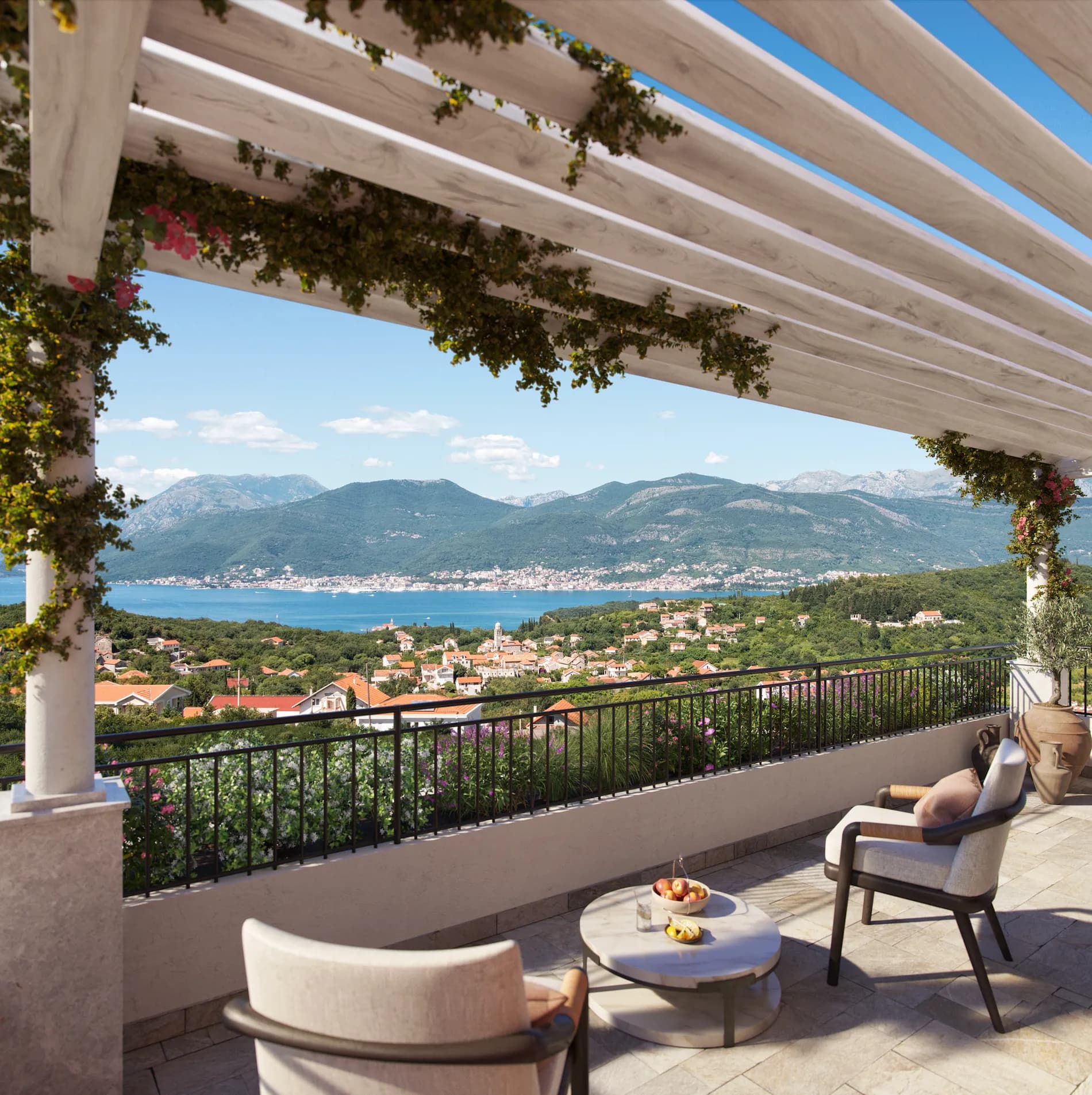
Match your lifestyle to your property
Marina Life Seeker
Porto Montenegro or Lustica Bay residence
Turnkey luxury, yacht access, international community, premium amenities
Old Town Romantic
Kotor or Herceg Novi stone property
Historic character, walkable culture, appreciating rarity
Modern Coastal Family
Tivat or Dobrota apartment
New builds, parking, schools nearby, good rental potential
Remote Worker
Tivat center or Porto Montenegro area
Best internet, cafe culture, professional environment
Investment Focus
Budva Riviera with sea view
Highest summer rental yields, established tourist market
Value Seeker
Bar, Ulcinj, or inland options
Lowest entry prices, emerging potential, authentic lifestyle
How we help you find the right fit
Understand your lifestyle priorities before showing properties
Provide honest assessment of locations including downsides
Connect you with trusted lawyers for due diligence
Advise on rental potential with realistic projections
Support throughout the purchase process and beyond
Introduce you to the expat community in your chosen area
Frequently Asked Questions
Honest answers to common questions
The questions people actually ask us, with straightforward answers.