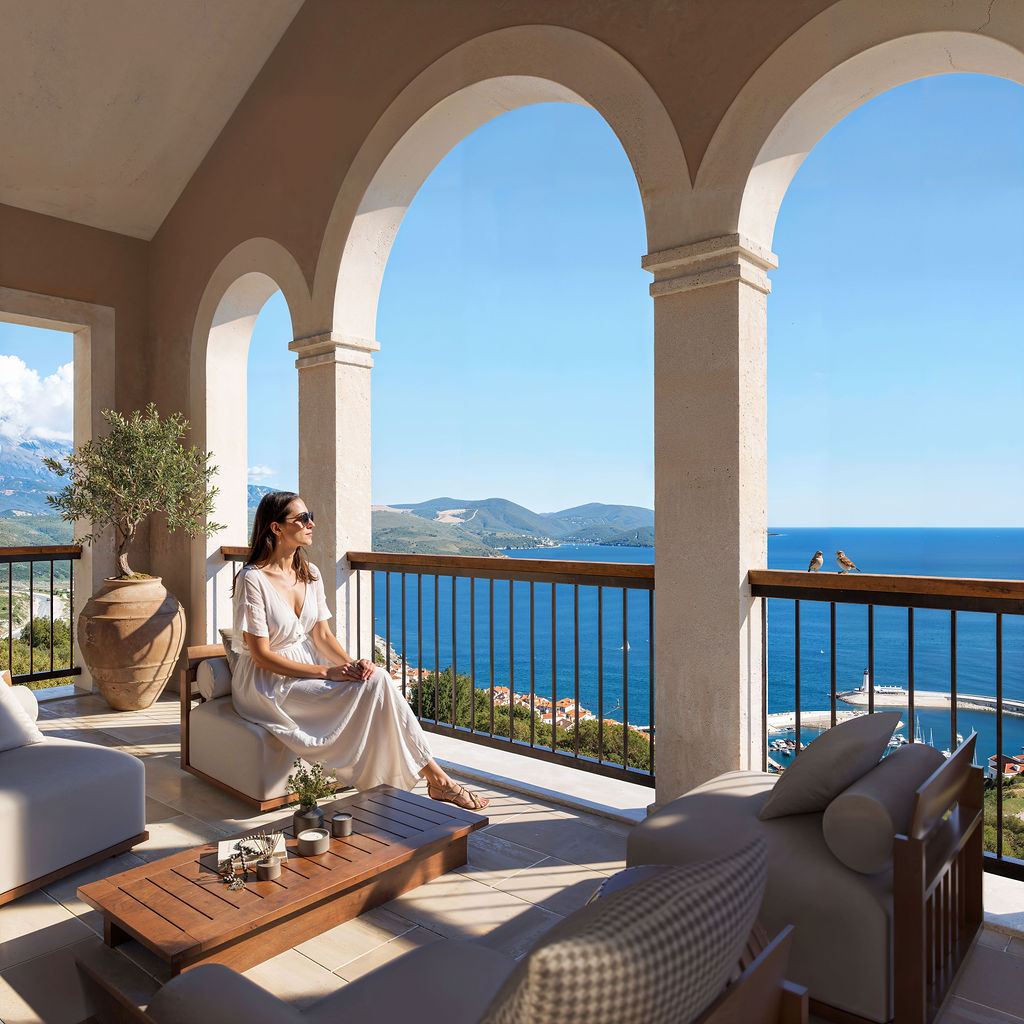
Is Montenegro Emerging as Europe’s Hidden Gem for Corporate Growth?
Montenegro is emerging as a destination for corporate expansion, supported by steady economic growth, regulatory reform, and rising foreign investment. Companies are expanding across tourism, energy, and digital sectors, using Montenegro as a regional base within the Adriatic and Balkan markets.
Mary B
Author
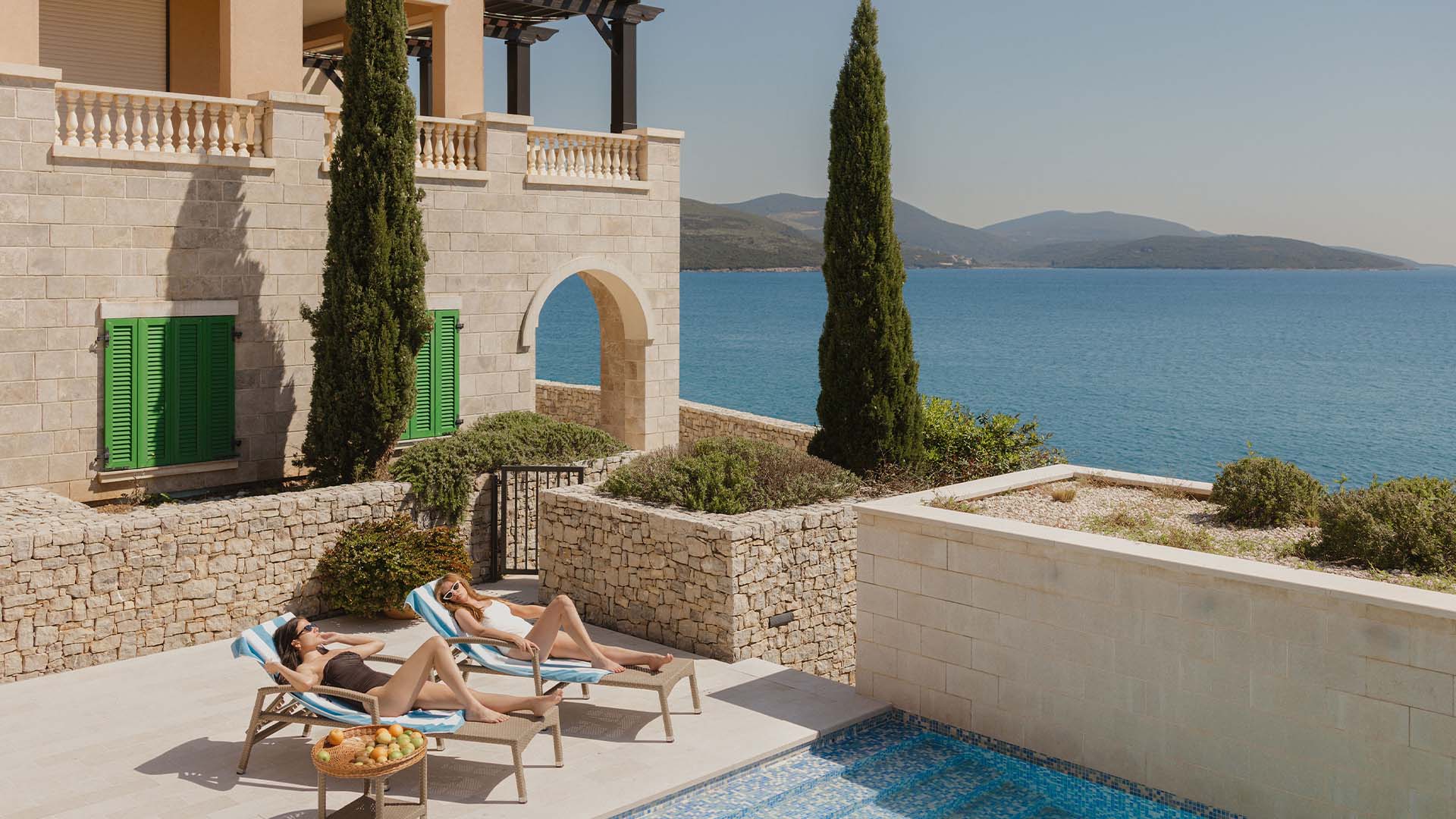
Montenegro is increasingly attracting attention as a destination for corporate expansion. Recent investments, regulatory reforms, and steady economic growth have positioned the country as an emerging option for companies seeking access to the Adriatic region and wider Balkan markets.
With foreign direct investment rising and EU accession discussions continuing, Montenegro’s corporate landscape is undergoing visible change.
Growing Interest in Montenegro’s Investment Environment
In November 2025, IHG Hotels and Resorts announced its expansion along Montenegro’s Adriatic coast with the signing of Crowne Plaza Budva. This marked the company’s eighth property in the country and reflected broader corporate interest in Montenegro.
Montenegro’s economy is forecast by Moody’s to grow by 3.8 percent in 2025, up from 3.0 percent the previous year. Growth has been driven primarily by tourism, energy, and digital sectors.
Historically, Montenegro began attracting foreign investment following economic restructuring in the 1990s and early 2000s. Early privatisation brought investment into banking and telecommunications. The country adopted the euro in 2002, despite not being an EU member, which stabilised the financial system and increased investor confidence. Early foreign investment included Russian and Turkish involvement in real estate.
Foreign direct investment inflows exceeded €500 million in 2024, with capital mainly coming from EU countries and the Middle East. Corporate expansion has been supported by Montenegro’s Adriatic location, corporate tax rates between 9 and 15 percent, and trade access through CEFTA agreements covering Balkan markets.
In July 2025, Montenegro introduced a new Company Law that reduced business registration times to four to five days and increased transparency. The Montenegrin Foreign Investors Council has also supported institutional cooperation and investment promotion, while highlighting alignment with EU integration requirements.
Sectors Driving Corporate Expansion in Montenegro
Tourism and Hospitality
Tourism remains a key sector for corporate investment. International hotel operators such as IHG have expanded their presence, particularly along the Adriatic coast.
Local authorities have also increased tourism spending. Tivat expanded its 2025 tourism budget to support infrastructure development, cultural promotion, and sustainability initiatives. According to Monstat, 87.3 percent of Montenegrin companies had an online presence in 2025, up from 84.6 percent in 2021, supporting digital marketing and online sales in tourism-related businesses.
Energy and Renewable Investment
Energy and renewable projects have attracted international investors. Masdar, the UAE-based renewable energy company, has expanded cooperation with Montenegro and holds a stake in the Krnovo Wind Farm, the country’s first utility-scale wind project.
Montenegro has committed to reducing greenhouse gas emissions by 35 percent by 2030 under its Nationally Determined Contributions. The World Bank has noted progress in modernising digital payments infrastructure, which supports service delivery in the energy sector. At the same time, reports indicate capacity gaps within parts of the private sector.
Blockchain and digital initiatives have also emerged. Agile Dynamics has explored the development of a €2 billion blockchain economy, positioning Montenegro as a regional location for blockchain-related activities.
Infrastructure, Transport, and Aviation
Infrastructure projects have continued to draw foreign participation. Shandong Hi-Speed Road and Bridge Group has been involved in repairs to the Tara River Bridge under the Belt and Road Initiative.
In aviation, Serbia has expressed interest in managing Podgorica and Tivat airports. Air Montenegro reported profitability and projected more than 520,000 passengers in 2025, exceeding pre-pandemic levels despite not serving Russian markets.
IT and Digital Services
The IT and digital services sector has grown steadily. More than 23 IT companies were listed in Montenegro in 2025, primarily focused on software development and web services.
Low labour costs have contributed to this growth, with average engineer salaries reported at €500 to €600 per month. Geographic proximity to EU markets has also supported demand for IT services.
Challenges Affecting Corporate Expansion in Montenegro
Corporate expansion in Montenegro continues to face challenges. The IMF’s 2025 Article IV Consultation noted economic resilience but called for further fiscal reform, improved governance, and stronger anti-corruption measures.
Business organisations have pointed to productivity issues in sectors reliant on foreign investment. The Business Agenda 2025 highlighted the need for expanded STEM education and digital transformation, while also noting high costs for certain tools and services.
Geopolitical factors have affected the business environment. Changes to Russian visa rules pose risks to tourism. Montenegro’s population of fewer than 620,000 limits domestic market scale, leading many companies to treat the country as a regional base rather than a primary market.
Environmental concerns have also emerged, particularly around hydropower development and its ecological impact. While Montenegro’s non-EU status creates customs barriers, CEFTA agreements provide partial mitigation for regional trade.
Expert Views on Montenegro’s Corporate Environment
In October 2025, European Commission President Ursula von der Leyen stated that investors did not need to wait for Montenegro’s EU accession to invest and described the country as a good place to do business during the launch of EU-Montenegro projects.
Montenegrin President Jakov Milatović has also referenced progress toward EU integration and ongoing institutional reforms.
Masdar’s CEO Mohamed Jameel Al Ramahi highlighted cooperation in clean energy during a 2025 visit, while the International Labour Organization has emphasised the importance of workforce capacity and transition planning. Serbian Finance Minister Siniša Mali has cited Belgrade’s airport concession experience when discussing regional aviation cooperation.
Weighing Growth Against Structural Limits
Tourism growth has increased seasonal exposure, particularly during winter months. Blockchain initiatives have faced global market volatility, although regulatory experimentation continues. Public debt stood at approximately $4.4 billion in the third quarter of 2024, with international institutions calling for careful fiscal management.
Montenegro’s use of the euro has supported financial stability but limits independent monetary policy. The European Bank for Reconstruction and Development has emphasised inclusive growth, noting that economic expansion does not automatically result in broad income distribution.
In November 2025, Montenegro signed the Multilateral BEPS Convention, aimed at reducing tax avoidance and strengthening international tax compliance.
Outlook for Corporate Expansion in Montenegro
As Montenegro progresses toward EU accession, additional funding may become available through pre-accession mechanisms. Investment trends suggest continued interest in engineering, digital services, and energy-related industries.
Corporate expansion has supported diversification beyond tourism, although further reforms in education, regulation, and sustainability remain necessary. Montenegro’s experience illustrates how smaller economies can attract corporate investment while navigating structural and market constraints.
Was this article helpful?
Topics
Suggested for You

Join Our Community
Stay Informed
Sign up for our newsletter to receive exclusive market insights, new property listings, and investment opportunities delivered to your inbox.
Related Reading
You May Also Like
How Technology and Crypto Sector in Montenegro Drive Real Estate Growth
Will UK Buyers Moving to Montenegro Spark a New Wave of Adriatic Relocation in 2026?